Long before Jazz Matters had a name, its foundations were being laid beside my grandfather's radiogram. From jazz and baroque music to the Bromel Club, Blue Beat, Caribbean house parties, African music and an accidental first DJ set, this is the story of how I learned to listen.
Friday nights with Thomas
My musical journey began when I was about six years old.
My parents worked weekends, so my grandfather collected me from school every Friday. I stayed with my grandparents until Monday morning, when they took me back to school. Those weekends gave me something that has remained with me throughout my life.
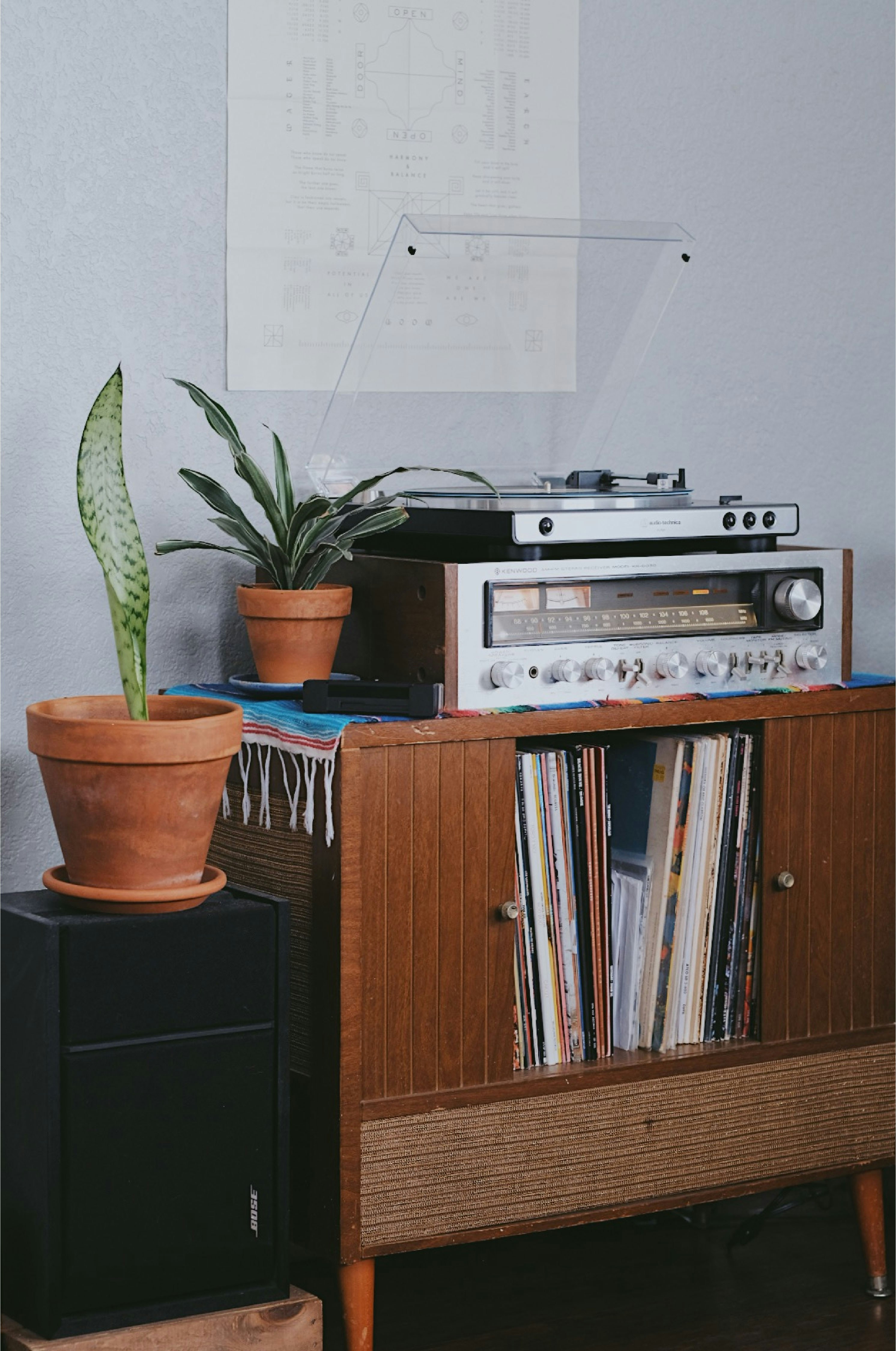
On Friday evenings, my grandfather Thomas and I would sit in the living room beside his radiogram. We could move from early jazz to baroque classical music and light opera without thinking anything unusual about it. It was simply music, and it was there to be listened to properly.
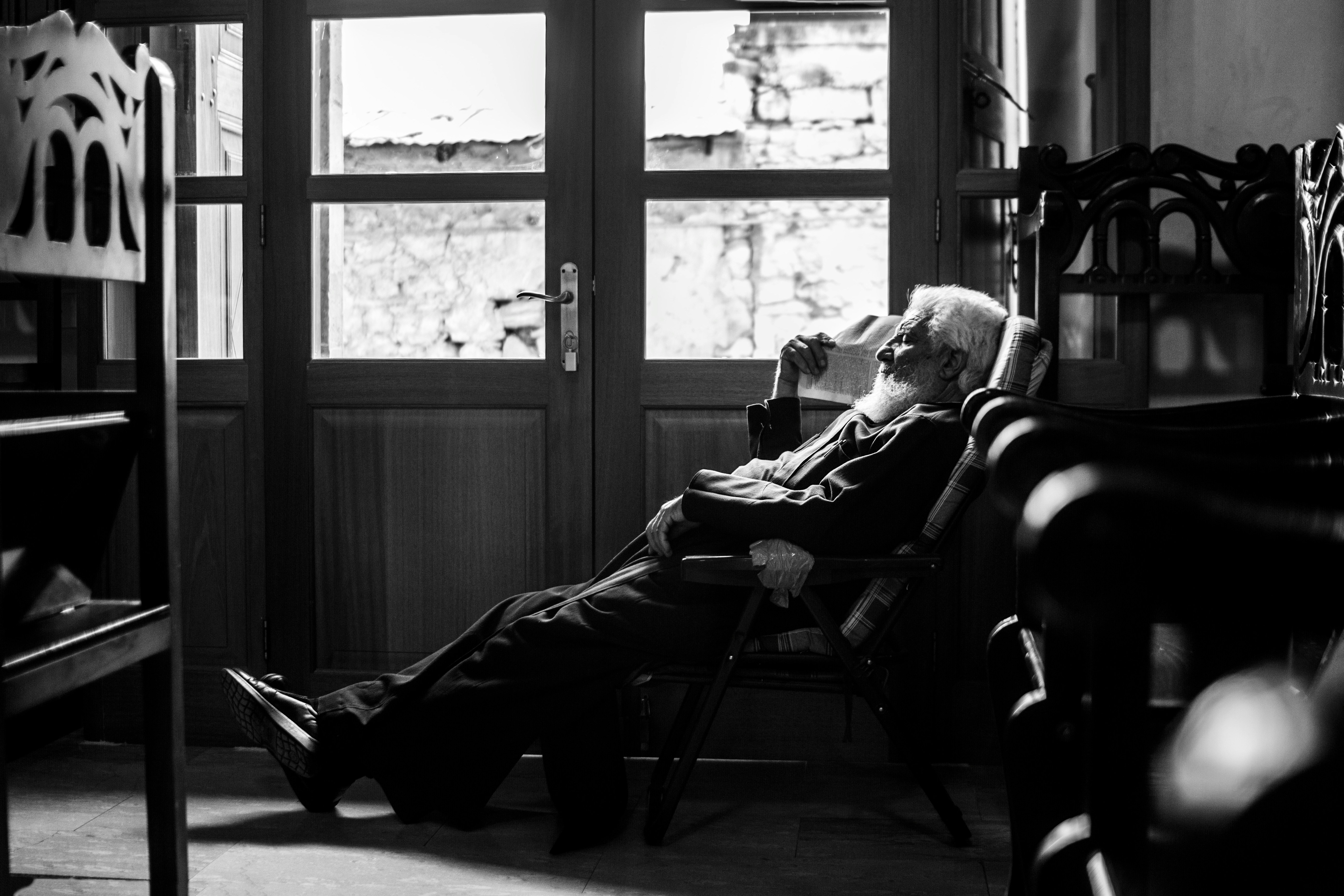
Thomas was born in 1901. He had traveled to Australia as a very young man and returned with stories about places and lives that seemed far removed from mine. He was tough, hard and emotionally strong. But he also loved the people close to him with enormous depth. I was one of those people, and the bond between us was very strong.
Some of the early jazz records in his collection were already old and scratched. Later, his collection grew to include Miles Davis, John Coltrane, and many other musicians who would become part of my own musical education.
He did more than play records. He taught me what to listen for.
He would point out how one instrument answered another, how musicians gave each other space, and how a piece changed as the players moved through it. Without either of us describing it in those terms, he was training my musical ear.
I was learning that listening was active. It meant following the conversation inside the music.
I did not realize it then, but that idea would eventually become central to everything I did.
A different musical education
On Monday mornings, I returned to school carrying a musical world that was very different from the one around me.
Other children might be talking about Herman's Hermits or the Swinging Blue Jeans. I had spent the weekend listening to Miles Davis, John Coltrane, baroque music and recordings made before I was born.
That did not make my taste better than theirs. It simply meant that I was hearing music from a different starting point.
Thomas never taught me to look down on popular music. He taught me to remain interested. If something caught my ear, I wanted to understand what was happening inside it and where it might lead next.
That curiosity mattered more than any genre label.
Jazz became particularly important to me because it could hold discipline and freedom at the same time. It could be carefully constructed and still sound as if it were being discovered in the moment. But jazz was never the only music that mattered. Even then, the borders were beginning to blur.
The Bromel Club
I started going to the Bromel Club at the Bromley Court Hotel when I was about thirteen. I was younger than most of my school contemporaries who were going out to hear live music.
The Bromel had begun as a jazz venue, but by the mid-1960s its stage was carrying an extraordinary mixture of jazz, blues, R&B, soul, and the emerging British rock scene. I saw Jimi Hendrix there, along with performers such as Georgie Fame and the Blue Flames and Long John Baldry.
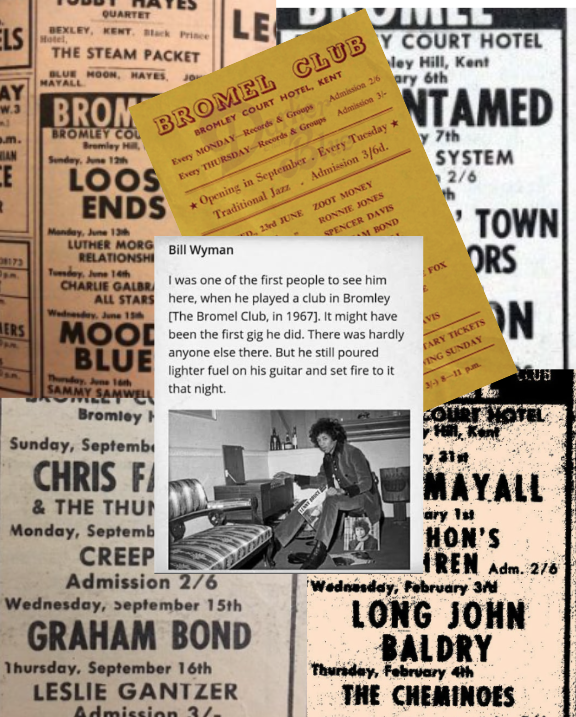
Hendrix was unlike anything else. But Georgie Fame also stayed with me because his music seemed to lean towards jazz without being contained by it. That space between recognised genres fascinated me.
I did not have a grand theory about any of this. I was a young person standing in a room, hearing musicians take ideas from different places and turn them into something of their own.
The experience widened the map again.
The Blue Beat record
One night, the DJ at the Bromel played a Blue Beat record.
My ears seemed to spin off my head. I had never heard anything quite like it. The rhythm, the weight of the sound and the way it moved were completely new to me. I went over and asked the DJ what it was and where I could find more.
He directed me to a place selling Caribbean records. It was less a conventional record shop than a market stall. It was untidy, with records packed into boxes, many of them second-hand. There was no carefully arranged display telling me what I ought to buy. I had to look, ask questions, and listen, and that suited me.
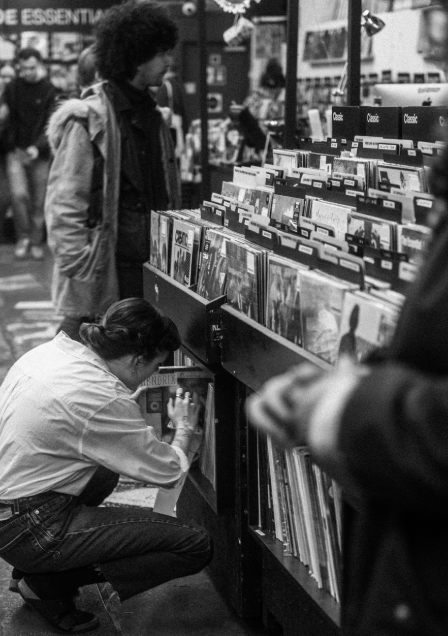
Blue Beat was both a record label and a name widely used in Britain for Jamaican ska and R&B. For me, however, it was not a history lesson or a category. It was a doorway.
Following that music eventually led me to El Partido in Lewisham.
El Partido
I was around fifteen or sixteen and still at school when I first went to El Partido on Lee High Road in London.
The club was upstairs above a row of shops. As I remember it, it did not have a licence to sell alcohol, and adults who wanted a drink went to the nearby Sultan pub. None of that was the reason I was there. I had gone for the music.
I was often the only white person in the room. At first, I must have looked like a little white kid who had wandered into the wrong place. But people quickly realised that I was there because I genuinely wanted to hear what was being played.
There might be an older man beside a huge speaker, singing and scatting along with the records. The sound was physical. It did not sit politely in the background. It filled the room and moved everybody inside it.
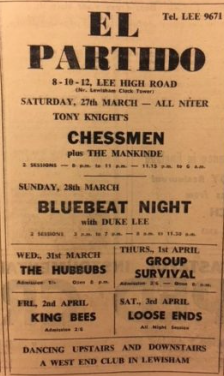
Photo - Melody Maker
I danced, listened and started talking to people. Friendships followed. Some of those friends introduced me to their families and invited me to house parties.
That gave me an introduction to Caribbean music, families and culture that I could never have gained from records alone. The music was connected to food, conversation, dancing, family and community. It had a life around it.
I was welcomed because I respected what I was hearing and wanted to learn.
That experience stayed with me. Music could take me into a room, but listening properly meant paying attention to the people, histories and lives surrounding it.
Looking for the music radio missed
Finding adventurous music was not easy then.
Before BBC Radio 1 existed, I remember finding an hour-long specialist programme that played records the mainstream rarely touched. For one hour each week, another musical world opened up. I cannot now remember the presenter's name with certainty, but I remember what the programme gave me.
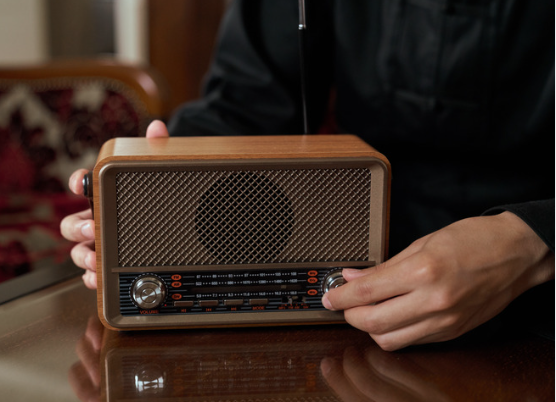
Radio Luxembourg provided another route into popular music that was difficult to hear elsewhere. Then the offshore pirate stations arrived and changed the atmosphere completely. They understood that young listeners wanted more than the limited choices being offered to them.
I first came across John Peel through pirate radio. His late-night programme The Perfumed Garden on Radio London felt extraordinary. He would allow music time to unfold, sometimes playing long pieces or a complete side of an album. The programme trusted the music and trusted the listener.
That made a lasting impression on me.
Radio did not always need to interrupt, explain or hurry. Sometimes its job was to open the door and let the music speak.
Another world opens
My listening continued to widen.
When Osibisa appeared, the effect was enormous. The band brought West African and Caribbean musicians together with highlife, jazz, funk, rock and other influences. To my ears, it sounded different, alive and full of possibility.
Once again, I went looking for more.
I found record shops that specialized in Caribbean and African music. That led me towards highlife, West African salsa, and records that sat well beyond the usual British categories.
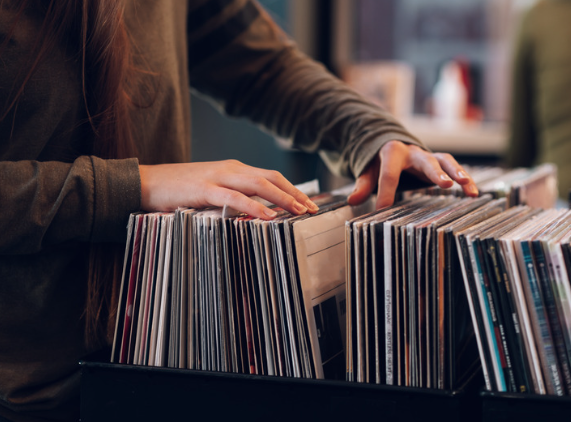
The pattern was becoming clear, although I would not have recognized it at the time. One record led to a conversation. The conversation led to a shop, a club, a friendship, or another record. Each discovery opened a route to something else.
I was never interested in drawing a line around one type of music and remaining inside it.
Jazz might have been near the centre of my listening, but it was never the boundary.
Becoming a DJ by accident
I did not begin DJing when I was young. I was in my late forties, and it happened almost by accident.
I turned up at a gig where the DJ failed to appear. Somebody knew that I had a substantial music collection and said, "You've got plenty of records. Go home and get some tunes."
My collection was spread across vinyl, reel-to-reel tape, cassette, and MiniDisc. Most of it has since been digitised, although I have kept some of the vinyl as keepsakes.
I went home, gathered some music, returned and played.
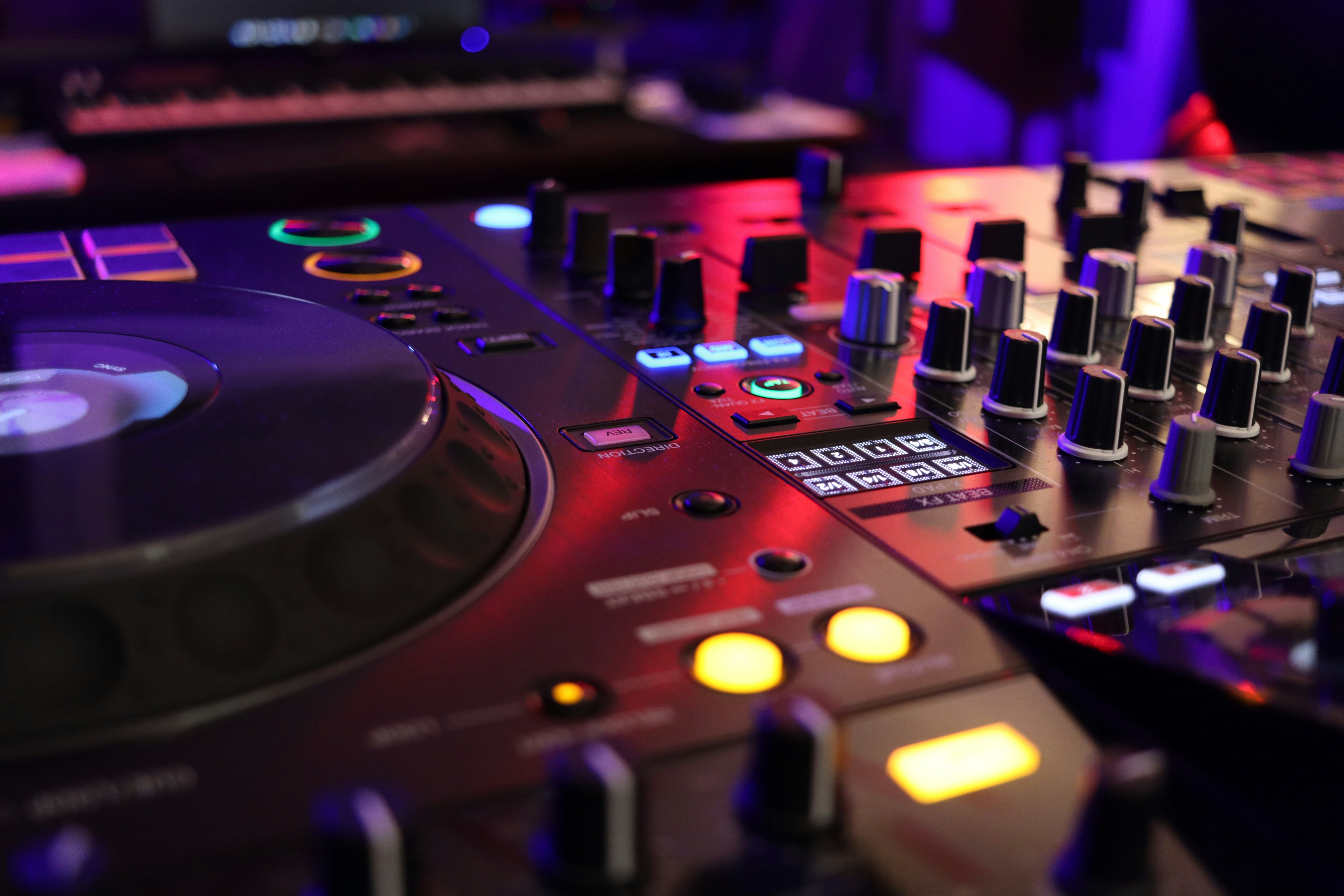
Someone visiting from Birmingham liked what he heard and offered me a monthly world-music night. That was how my life as a DJ began: no plan, no carefully designed identity, and no ambition to build a brand. I simply played the music that interested me and trusted the connections between it.
Jazz could sit beside house. African music could move into Latin music. Something familiar could lead into something unexpected. I was putting into practice what Thomas had taught me beside the radiogram: listen to how the different parts speak to one another.
My Cousin Ray
The name My Cousin Ray arrived just as accidentally.
I felt uncomfortable calling myself "DJ" followed by some invented name. During a conversation at the end of a night, with a few drinks involved, I said as much.
One of my relatives replied, "It's not often I get a cousin who's a DJ."
Somebody else immediately said, "My Cousin Ray."
That was it.
The name suited me because it did not create a false character. It sounded informal and familiar. It was simply another way of being myself.
Before Jazz Matters had a name
Jazz Matters was still a long way off. Sound Lounge, NuDirections, podcasting and the platform I run today all belonged to the future.
But the foundations were already there.
They were in the Friday evenings beside Thomas's radiogram. They were in the scratched early jazz records, the baroque music and the lessons about how instruments respond to one another.
They were in the Bromel Club, the Blue Beat record, the boxes at the market stall and the sound inside El Partido. They were in Caribbean house parties, African record shops, pirate radio and the refusal to believe that one musical label should decide what came next.
They were also in that unexpected first DJ set and the conversation that gave My Cousin Ray a name.
Looking back, the route appears clearer than it felt while I was traveling along it. I was learning to listen widely, to follow connections and to trust curiosity.
Jazz Matters did not create that outlook. Jazz Matters eventually gave it a home.
The next part of the story begins with radio.