Why Latin Jazz Is Gaining Momentum Again
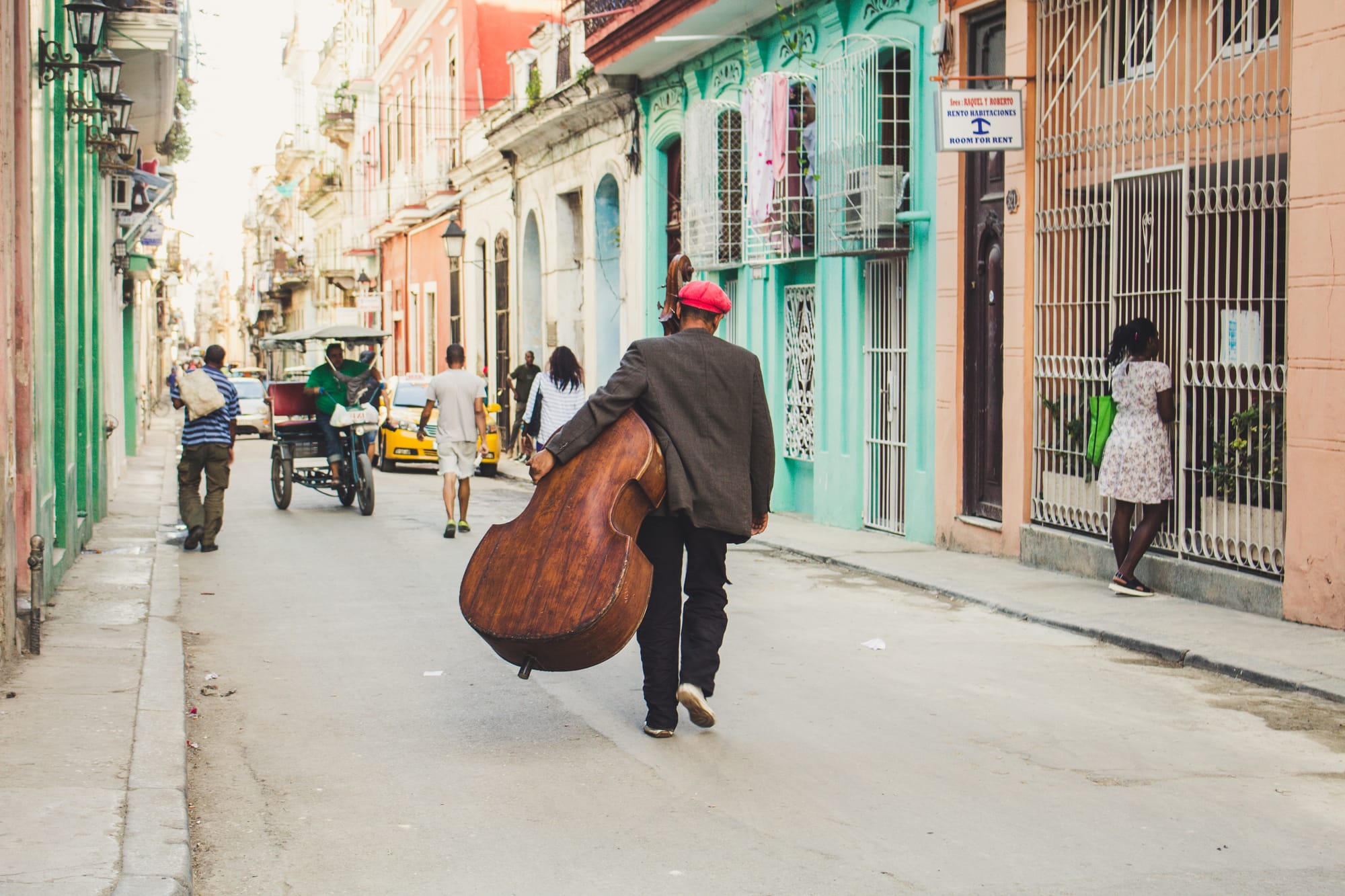
I’ve felt it building for a while, but early 2026 is making it harder to ignore. Latin and Afro-Caribbean energy is not just “turning up” in jazz — it’s being supported in places that shape taste. Not as a theme night. Not as a token groove. As a real, modern listening lane.
And that’s the key point for me. This isn’t about nostalgia. It’s not a return to “the good old days.” It’s about what rhythm does when the music around it is changing fast.
The signal isn’t vague — it’s measurable
One of the cleanest indicators is radio. It has blind spots, sure. But when you see Latin-adjacent releases holding and moving on a mainstream jazz radio chart, that’s a proper signal.
Harold López-Nussa – Nueva Timba is right there in the JazzWeek chart ecosystem.
The Afro-Caribbean Jazz Collective – Cortadito has documented airplay history, stations, spins, and movement.
That’s not “someone liked a playlist.” That’s repeated decision-making by people who play records for a living.
Then there’s the other side of modern discovery: DJ-led, show-led listening. I’m seeing sets that treat Latin, Caribbean, and jazz language as one continuum — not separate shelves.
Take NTS. Shows like Ernesto Chahoud’s Beirut Daze reflect a global taste where categories don’t behave like tidy boxes. That doesn’t mean it’s “Latin jazz” by label, but it does show how modern listeners accept cross-pollination as normal.
So I’ve got two very different worlds — radio and DJ culture — both pointing in the same direction: rhythm-rich, Latin and Afro-Caribbean-rooted material is landing again.
Why now?
A few reasons make sense to me.
1) Rhythm is the gateway drug (in the best way)
A lot of contemporary jazz is adventurous. It’s supposed to be. But not every listener wants to “solve” a record on first play. Latin and Afro-Caribbean forms give people a handle. A pulse. A shape.
That pulse doesn’t dumb anything down. It does the opposite. It carries complexity.
I can play something rhythm-forward and still keep the harmony, the improvising, the edge. It lets open-minded listeners come in through the body — and then stay for the detail.
2) Modern jazz spaces are less precious about “purity”
There was a time when “jazz spaces” could be weirdly narrow. Like the music had to behave in a certain way to be considered serious. I’m hearing less of that now.
When an album like Nueva Timba sits in a major contemporary jazz context, it says something simple: the culture is ready to treat Cuban-rooted energy as central, not “adjacent.”
3) DJs and playlists trained people to accept blends
I’m not talking about background playlists. I mean real selectors, proper shows, and listeners who move between scenes daily.
Once you’re used to jumping from Afrobeat to broken beat to jazz to salsa fragments in one hour, you stop asking for permission. You stop needing labels. You just follow what hits.
That matters because it changes what people request, what they save, what they share, and what promoters put on.
It isn’t one sound. It’s a family of energies.
One mistake people make is thinking “Latin jazz” is one thing. It’s not. It’s a family.
Even in this tiny snapshot:
Nueva Timba points straight at Cuba — modern jazz language meeting older Cuban musical history.
Cortadito signals Afro-Caribbean identity in the title alone, and its airplay movement suggests there’s appetite beyond niche circles.
Then you’ve got all the in-between territory: music that isn’t “Latin jazz” by marketing, but carries the rhythmic DNA. This is where a lot of the current energy lives — on the borders.
That border-space is exactly where Jazz Matters does well, because I’m not trying to serve one tribe. I’m serving open ears.
The big shift: this is present tense music now

Here’s what feels different in 2026.
This isn’t a “specialist lane” that needs explaining. It’s present tense. It’s living in the same room as modern jazz, modern beats, and modern global culture.
The proof is in where it’s showing up:
In charts that track repeated radio behaviour.
In DJ-led shows where the boundaries are already gone.
That combination matters. It means the rise isn’t just marketing. It’s taste.
How I use this in Jazz Matters (without turning it into a cliché)
If I’m honest, I’ve seen Latin and Afro-Caribbean “flavour” used badly. Reduced to a gimmick. Dropped in as a novelty. That’s not what I’m doing.
When I build a show around this momentum, I keep it simple:
I lead with rhythm, but I stay for the musicianship.The groove gets people through the door. The playing keeps them there.
I avoid the tourist version of the sound.I’m not looking for “Latin vibes.” I’m looking for records where the rhythm is part of the identity.
I treat it as a modern lane, not a retro detour.If it sounds like a museum piece, I use it carefully — as context, not as the headline.
I sequence it like a journey, not a genre set.One record can be Cuban-rooted. The next can be jazz that behaves like dance music. The point is flow.
What I think is happening next
I don’t think this momentum disappears, because it solves a modern problem: discovery fatigue.
Listeners are drowning in releases and playlists. Rhythm-forward music gives people something solid. It makes a busy world feel organised for a moment.
And when that rhythm is attached to real musicians, real improvising, real records, it doesn’t collapse into wallpaper. It stays alive.
So for me, the “rise” isn’t a trend I’m chasing. It’s a sign I’m reading.
Latin and Afro-Caribbean energy is moving again in modern jazz spaces because it works. It moves bodies. It supports risk. It welcomes new listeners without watering down the music. And right now, in 2026, that combination is hard to beat.